

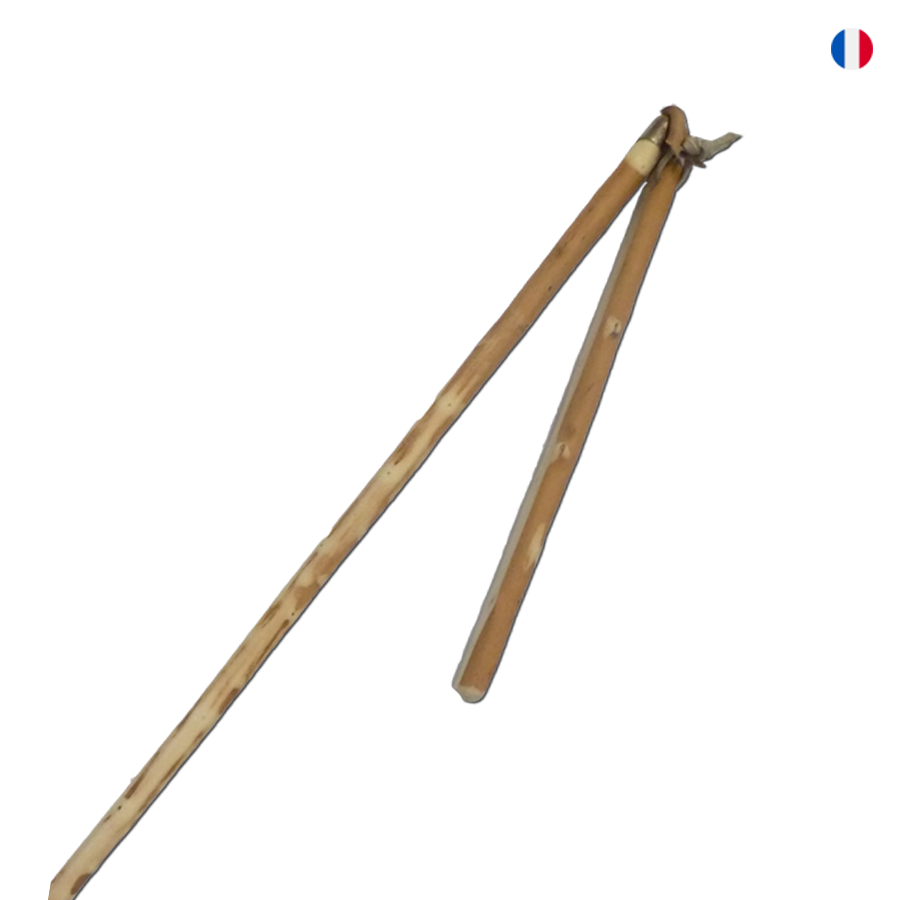


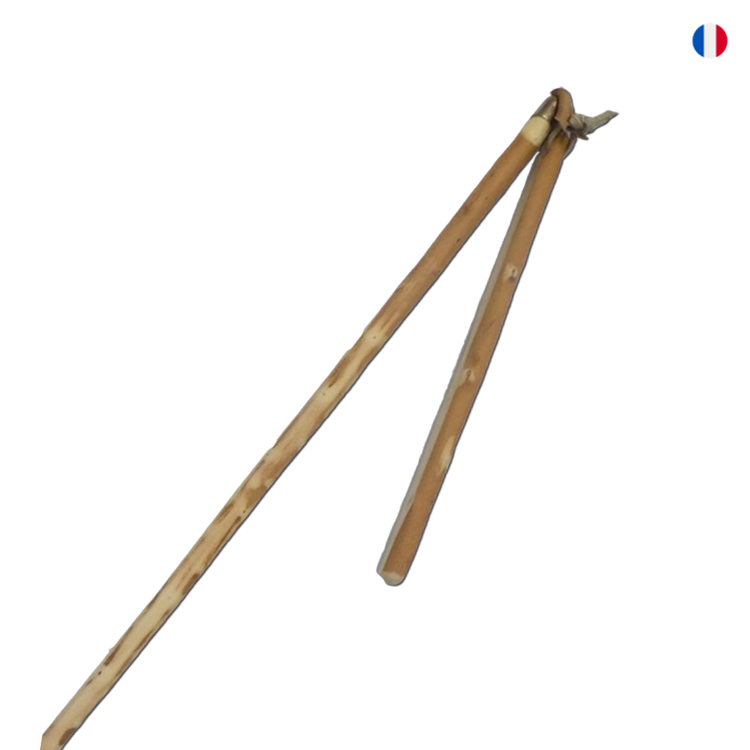
Wooden flail
253211
Couldn't load pickup availability
- Regular price
-
39,90€ - Regular price
-
- Sale price
-
39,90€
Used to thresh cereals, this real tool of yesteryear, once used by our grandparents, is finding favor in our modern world once again! This rustic flail will allow you to rediscover the spirit of yesteryear and the gestures of our ancestors! This product is made of chestnut wood. A rustic and imposing wood produced in France and from well-managed forests and which does not require any chemical treatment due to the high presence of tannins. It is the choice of this type of wood that gives our flail all its characteristics of solidity and flexibility. The 2 sticks, one of which is shorter and stockier than the other, are connected to each other by a leather strap. It is also an essential accessory for a rustic decoration or even for a period reconstruction!
Foire aux questions
À quoi sert un fléau en bois ?
Le fléau est un outil agricole traditionnel utilisé pour battre les céréales afin de séparer les grains de leur enveloppe.
En quel bois est fabriqué le fléau Manufrance ?
Il est fabriqué en bois de châtaignier français, une essence naturellement riche en tanins qui offre solidité et souplesse.
Le bois reçoit-il un traitement chimique ?
Non, le bois de châtaignier utilisé ne nécessite pas de traitement chimique grâce à sa forte teneur naturelle en tanins.
Le fléau peut-il servir de décoration ?
Oui, son aspect traditionnel en fait également un objet adapté à une décoration rustique ou à une reconstitution d’époque.
Delivery times
2 - 3 days
-
Hurry, only 4 items left in stock!

Secure payment
Free delivery for purchases over €100
Return within 14 working days
Exclusive Manufrance products
Technical Characteristics
Brand
MANUFRANCE
Know-how
Weight
Dimension
150 cm
Origin
FRANCE